Vinyl Gutter Installation & Replacement
Vinyl is the entry point of gutter materials: light, cheap, rust-proof, and snap-together simple, which is why it dominates DIY installs. Free referral to a licensed local pro — one call, no obligation.
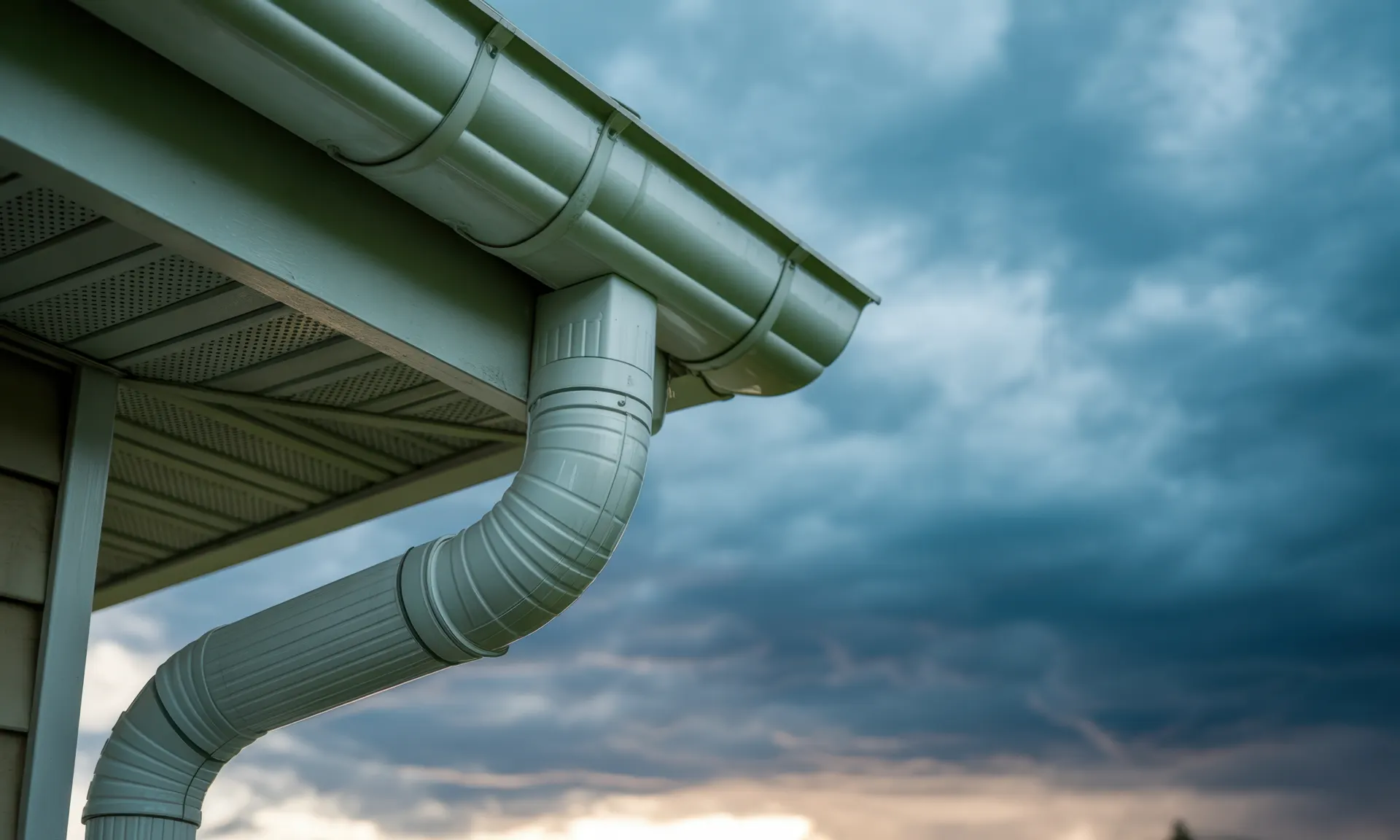
Vinyl is the entry point of gutter materials: light, cheap, rust-proof, and snap-together simple, which is why it dominates DIY installs. Free referral to a licensed local pro — one call, no obligation.
Vinyl is the entry point of gutter materials: light, cheap, rust-proof, and snap-together simple, which is why it dominates DIY installs. Its physics are its ceiling — PVC gets brittle with UV exposure and cold, sags between brackets in heat, and every snap joint is a gasketed seam that eventually weeps. In mild climates a careful vinyl install gives 10–15 serviceable years; in freeze-thaw country it's the material pros most often replace.
These are the specific failure modes licensed installers see most on this work.
Brittle cracking at brackets and joints after years of UV and cold cycling.
Heat sag between brackets creating permanent ponding bellies.
Gasketed snap joints weeping as gaskets age and joints loosen.
One call to (888) 650-1415 — tell us your ZIP code and what the gutters are doing.
We connect you with a licensed local gutter professional who covers your area.
The pro inspects and quotes the work. No obligation, and the referral costs you nothing.
Your local pro completes the job — installation, repair, or maintenance.
They're honest budget gutters: fine for single-story homes in mild climates, sheds, and rentals where cost rules. They are the wrong answer in hard-freeze climates, under heavy tree load, or anywhere you want to install once and forget it.
10–15 years in kind climates. UV makes PVC brittle; winters crack it. If neighbors' vinyl gutters look chalky and cracked at 8 years, that's your local expected lifespan.
Aluminum costs more upfront and typically lasts twice as long with fewer joint leaks, better looks, and seamless forming. On cost per year, professional aluminum usually beats vinyl unless the budget is absolute.
Individual sections and fittings snap out and replace cheaply — that's vinyl's best feature. But brittleness is systemic: once pieces start cracking, the rest of the system is the same age and the repair cycle accelerates.
In heat, yes, unless brackets sit every 18–24 inches (closer than most DIY installs). The sag creates ponding, the ponding adds weight, the weight adds sag — inspect any vinyl system each spring.
Poorly. PVC embrittles exactly when loaded by ice, and snow slides shear snap joints. In snow country, pros steer to .032 aluminum or steel.
Lightweight snap-in screens, yes. Screw-mounted micro-mesh systems are designed for metal gutters; their mounting stresses crack aged vinyl. If you're investing in quality guards, upgrade the gutter first.
When vinyl starts its cracking phase, replacement with seamless aluminum is the standard upgrade path — the licensed pro reuses nothing but the layout. Quotes through GutterLinker are free and no-obligation.
Free referral to a licensed local gutter pro. One call. No obligation.
Call (888) 650-1415 Now